aS A Certified Divorce Real Estate Professional, I PROVIDE A STEADY GUIDING HAND THROUGH THE UNCERTAINTY
Frozen in Place
How Restraining Orders Can Halt or Complicate the Divorce Home Sale
3/10/20264 min read
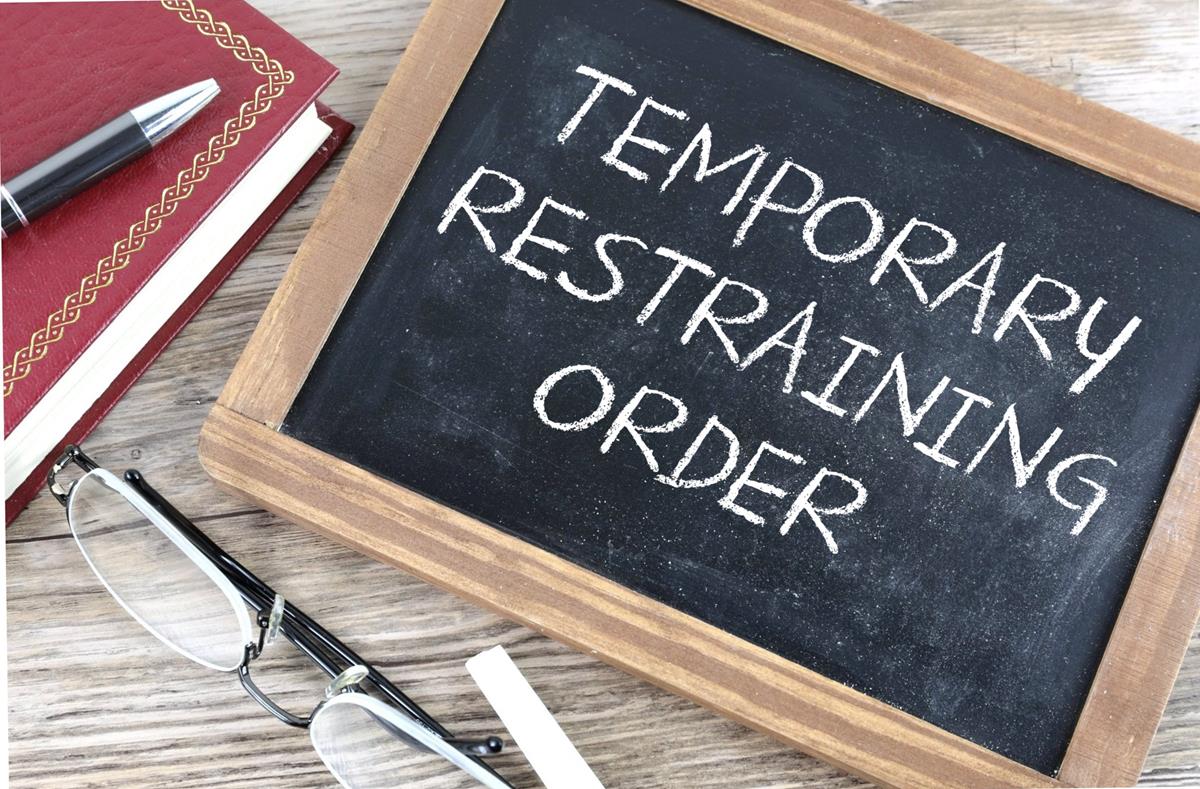
Frozen in Place: How Restraining Orders Can Halt or Complicate a Divorce Home Sale
When a California divorce is filed, most people are focused on the emotional weight of the decision and the immediate practical questions: Where will the children live, who stays in the house, how do we divide the accounts.
What many don't realize is that the moment a divorce petition is filed a set of automatic legal restrictions snap into place that immediately affect what either spouse can do with the family home.
Layer a domestic violence restraining order on top of that and the situation becomes even more restrictive.
Understanding how these orders work and what they mean for a real estate listing is essential for anyone navigating a divorce in California.
Automatic Temporary Restraining Orders: The Ones Nobody Warns You About
California is one of the few states that imposes automatic temporary restraining orders, known as ATROs, on both parties the moment a divorce petition is filed and served. These are not requested by either party and are not based on any allegation of wrongdoing. They are simply part of the divorce filing process, and they bind both spouses immediately.
Among other restrictions, ATROs prohibit either party from transferring, encumbering, hypothecating, concealing, or otherwise disposing of any community property without the written consent of the other spouse or a court order. The family home, as community property, falls squarely within this restriction.
In practical terms, this means neither spouse can unilaterally list the home for sale, accept an offer, sign a purchase agreement, or authorize repairs or improvements that affect the property's value — without the other's consent or judicial authorization. A spouse who lists the home without that consent, or who accepts an offer and opens escrow unilaterally, is in violation of a court order. The consequences can include sanctions, adverse rulings in the divorce proceeding, and potential contempt findings.
ATROs remain in effect until the divorce is finalized, a court modifies them, or both parties agree in writing to a specific transaction. For a home sale to move forward cleanly, both spouses need to be aligned — on the agent, the price, the timing, and the terms. If that alignment doesn't exist, the path forward runs through the court.
Domestic Violence Restraining Orders and Exclusive Use Orders
A separate category of restraining order — one that is requested rather than automatic — creates a different set of complications. When a domestic violence temporary restraining order (DVTRO) is issued, the restrained party is typically ordered to vacate the family home immediately and stay away from the property. The protected party receives what is effectively exclusive occupancy.
Courts can also issue exclusive use orders in divorce proceedings even without a finding of domestic violence, simply to stabilize the living situation during the proceedings. Either way, the result is one spouse in the home and one spouse locked out of direct access to a property they may co-own.
This matters for a home sale in several ways. The restrained or excluded spouse cannot enter the property for walkthroughs, inspections, or pre-sale preparation without court authorization or written consent from the protected party. If they are also prohibited from contacting the other spouse directly — as is common in DVTRO situations — all communication about the sale must flow through attorneys. This adds time, cost, and friction to every decision point in the listing process.
The restrained party's ability to independently engage a real estate agent, authorize showings, or negotiate terms is severely curtailed. Meanwhile, the protected party in the home controls the physical condition of the property, the schedule for showings, and the day-to-day maintenance, all of which directly affect listing presentation and sale price.
When a Sale Requires Court Intervention
If the parties cannot agree on whether to sell, when to sell, at what price, or through which agent, either spouse can petition the court to intervene. Under California's partition statutes and the court's broad authority in family law proceedings, a judge can order the sale of the marital home, set parameters for the listing, appoint a partition referee to oversee the sale, and establish how proceeds will be distributed.
Court-ordered sales are not quick. Between motion filing, briefing, hearings, and order issuance, months can pass. During that time, the property sits — not listed, not generating proceeds, and continuing to generate carrying costs that both parties may ultimately bear. In a market like Southern California where inventory is tight and timing affects price, delay has a measurable dollar cost.
When a court does order a sale, the order typically specifies a list price range, a deadline for accepting offers, and a process for resolving disagreements about price reductions or offer acceptance. A real estate agent working in this environment needs to understand how to operate within those constraints, communicate with both sets of attorneys, and document every decision in a way that can withstand scrutiny if either party challenges the process.
The Role of a Neutral Agent
In any divorce sale touched by restraining orders — whether ATROs, DVTROs, or exclusive use orders — the most important quality in a listing agent is neutrality. Both parties need to trust that the agent is not advocating for one side, is not sharing confidential information across the table, and is managing the process in a way that protects the transaction rather than inflaming the conflict.
A CDRE-certified agent is specifically trained for this environment. That means separate communication protocols for each party, documentation of all decisions and authorizations, coordination with both attorneys before any material step is taken, and a clear understanding of what the court order does and does not permit at every stage of the listing.
Restraining orders don't make a divorce home sale impossible. But they do make it a process that rewards preparation, patience, and the right professional team.
Facing a contested or restricted home sale in Southern California or Orange County?
A CDRE-certified agent understands how to navigate court orders, coordinate with legal counsel, and protect both parties through the transaction.